
Preparing your soil for autumn/winter edible planting
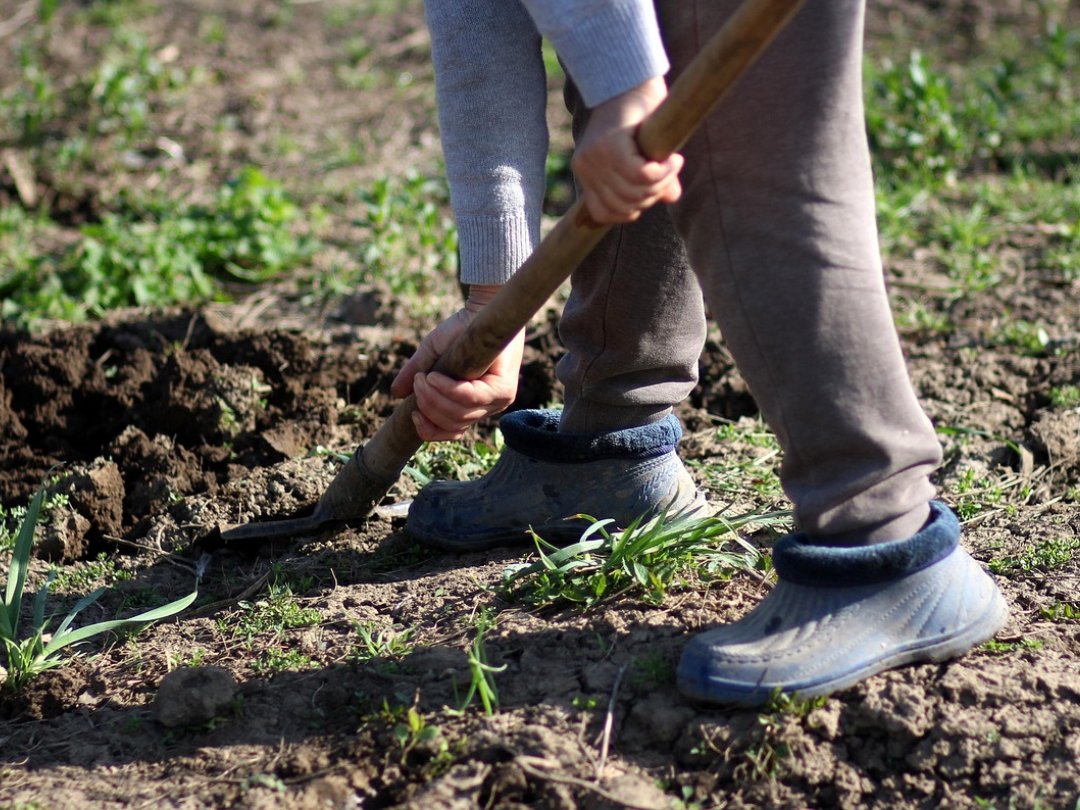
It’s worth preparing all your beds as early as possible for autumn/winter planting. This requires deciding which beds will house which vegetables. Different ones will require different soil preparation. Some will need a fine tilth, others a rough dig. There’ll likely be a hard crust which will need to be broken up and any hydrophobic soil rejuvenated to hold moisture.
For lettuce and mustard greens:
Prepare the soil for seed or seedlings by adding compost, nitrogen (eg aged-poultry manure) and potash. Loosen the soil to a depth of about 12cm depth, keep it weed free and always moist. These plants are shallow rooted. pH lettuce 5.5-6.5; mustard greens 6-7
For garlic:
Soil needs to be light and well drained. Alternatively, cultivate garlic in raised beds or wicking beds. Clay soils do not drain sufficiently for a healthy crop. Add compost or well rotted manures (not chicken) to prepare soil. Dig over soil to a spade’s depth, and remove stones and roots, and break up soil clumps so that the soil is loose and open. Add rock dust for trace elements and potassium (potash) to increase bulb size and weight. Dig these in. Rotate your garlic bed each year and do not replant the first bed for 3 years. pH 6-7
For broad beans:
To prepare your beds, fork over your soil to aerate it and dig in a low nitrogen, well rotted animal manure such as cow, sheep or horse plus compost to provide organic content, nutrients and good drainage. Sprinkle potash at the rate of 1 tablespoon per square metre to strengthen plant stems, encourage flowering and prevent fungal diseases. pH 6-7.5
For brassicas (cauliflower, cabbage and broccoli):
Dig soil over roughly with a fork to open it up and aerate it. Add compost and well rotted manure. Avoid fresh manure which is too high in nitrogen and will cause leaves to develop at the expense of heads. Add a handful of blood and bone per square metre for their nitrogen needs. If using the no-dig method, plant seedlings in deep pockets and add some compost to the bottom of the hole before planting. pH 6.5-7.5
For kale and kohlrabi:
Dig over the soil to open and aerate it to a spade’s depth. Removal of stones and roots is important as is breaking up of large clods. Add compost or well-aged manure. pH 6-7.5
For turnips and parsnips:
Dig over soil to a fine tilth, removing clods, stones and other roots. Add compost or very well-aged manure. Do not add fresh manure or any high nitrogen fertiliser as this will cause deformity in the roots. Prepare the soil to a spade’s depth or check the seed pack for the length of the root and prepare to that depth plus 5-6 cm. If using the no-dig method, plant seedlings in deep pockets and add some compost to the bottom of the hole before planting. pH turnips 6-7.5; parsnips 6.5-7.2
NB All fall within 6.5-7 (except lettuce which needs to be 6.5 at the top end) so this is a good pH to aim for across all your beds
Written by Robin Gale-Baker