
Now is the time to dump oil and electrify everything
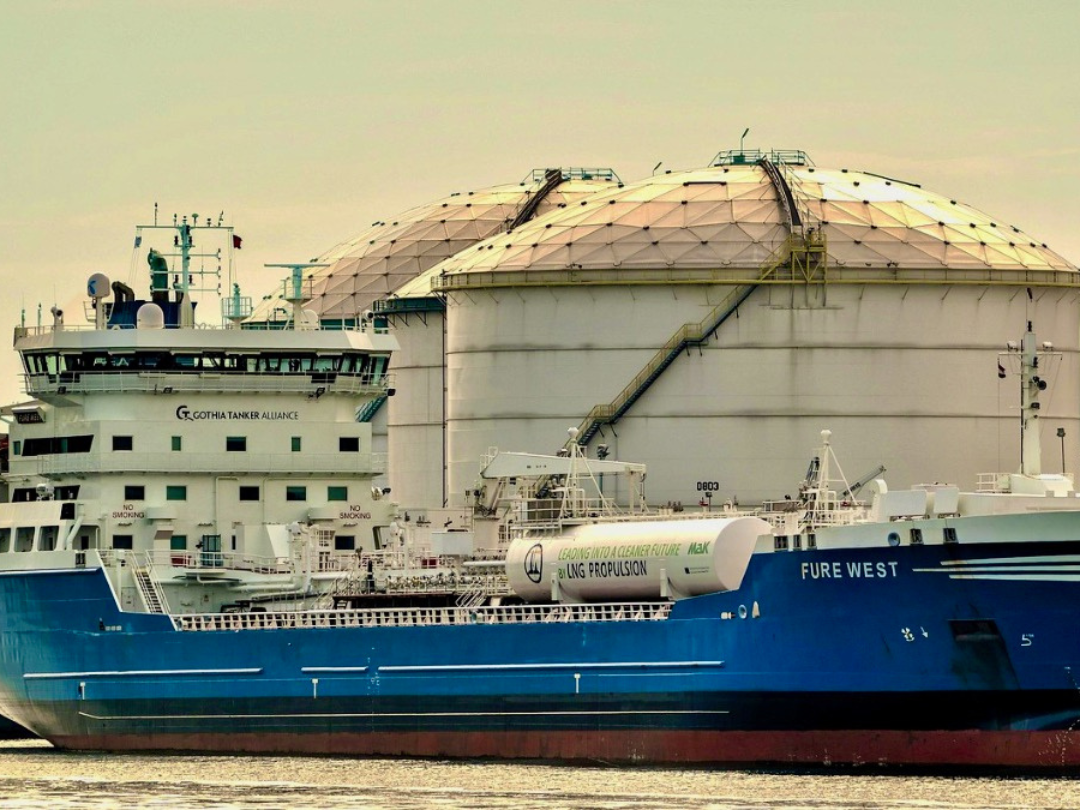
Never have the reasons for electrifying everything been so clear. In June last year (2025), I wrote about Australia’s energy dependence, highlighting the extent to which our entire economy depends on ships bringing many billions of litres of oil to Australia, 80% of it from the Middle East. Despite Australia being a long way from the Middle East, the current war in Iran shows how rapidly Australia can become a casualty of distant events.
While most of us will complain about the hit to our hip pocket with a rise in petrol prices, the full extent of the crisis goes well beyond the personal. Those of us driving electric vehicles shouldn’t feel smug. Choking the national fuel supply affects not only our individual lifestyle – it profoundly impacts our entire nation’s security.
In recent days we have heard from a range of industries – from transport through to farming – about the problems they are facing with rising fuel prices. We need diesel to fuel the trucks and trains that deliver our goods. Farmers need diesel to power their equipment. Farmers also rely on fertiliser, some of which follows the same routes now being blocked and is itself often produced from oil.
These are just two of the many essential industries that rely on the ready availability of diesel. If the chokehold on our fuel supply continues, we can expect to see further climbing fuel prices and eventually shortages of fuel, further impacting those industries. All of this means higher prices at the supermarket and, if the situation continues, shortages of a wider range of goods and services we have come to depend on.
The answer for our future energy security is widespread electrification of all our energy requirements for homes, industries and transport. The only fuel source not subject to disruption is renewable energy – solar, wind and hydro. As António Guterres, the UN Secretary General has pointed out, “the wind and the sun don’t need to transit the strait of Hormuz.” Renewable energy is also far less prone to direct attack by terrorism and war.
In addition to the issue of fuel availability, our dependence on fossil fuels takes a huge chunk of government revenues. Currently, Australia funds and encourages fossil fuel use to the tune of more than $30,000 a minute. This funding applies to companies producing and using gas, coal and oil, and is distributed through a number of schemes, primarily the federal government’s fuel tax credit scheme, which gives a rebate for businesses using vehicles on private roads, which run machinery requiring diesel, or which drive heavy vehicles on public roads, (The Guardian, March 11, 2026).
These subsidies also encourage the continued burning of fossil fuels, worsening the climate crisis and adding to local pollution on our roads and in workplaces.
Countries such as China, and some European countries, have recognised the risk to the environment and to their energy security and are doing everything they can to pursue electrification. China is rapidly expanding renewable power generation and currently has around 11.3 million electric vehicles, compared to the USA with 1.5 million. (World Population Review ). The European Union is also turning to electrification, planning to cut imported fossil fuel from 58% (2023) to around 30% in 2040 (Electrification: Europe’s Key to Energy Independence
According to the Climate Change Committee, the UK can best reduce its reliance on fossil fuels by ‘adopting renewable energy and green technologies, such as electric vehicles and heat pumps.’ The Committee stated that renewable energies are more efficient and much harder for foreign governments to disrupt. In fact, the UK could achieve their 2050 net zero target at less cost than a single ‘oil shock’ such as the current one, by increasing the use of renewables (The Guardian, 11 March, 2026).
Despite Australia having a government pursuing a renewable future, we are still well behind other countries who have far fewer resources than Australia, especially solar. The current fuel crisis should galvanise Australia to pursue a far more ambitious renewable energy target. We need to adopt a ‘wartime’ mindset like that adopted during the Second World War, when the existential threat of invasion compelled the community to prioritise the goal of national security.
Throwing the nation’s weight behind such a transition to renewable energy will require a huge government response, but the government can’t do it alone. As a community and on a personal level, our choice of personal transport and energy choices in the home can play a critical part in growing our energy independence. It is calculated that replacing one million petrol cars with EVs would reduce our need for foreign oil by roughly 1 billion litres a year.
The research is clear. Such a transition – electrifying all aspects of Australian life, including our homes and vehicles – will save us money, as well as giving us energy independence. So – what are we waiting for?
Written by Paul Gale-Baker
References
If there was ever a moment for Australia’s shift to renewables and EVs, this is it
Australian governments subsidising fossil fuel use by more than $30,000 a minute, analysis finds
Electrification: Europe’s Key to Energy Independence
EU plans to upgrade energy infrastructure to lower bills and boost independence
Reaching net zero by 2050 ‘cheaper for UK than one fossil fuel crisis’
Supplementary analysis of the Seventh Carbon Budget – Climate Change Committee
Do we want to keep fixing the same issue? Unlearned lessons from the first big oil crisis
China unveils next round of green energy ambitions in five-year plan
We’ve survived oil shocks before – by changing our energy use. We must again