Tough little locals
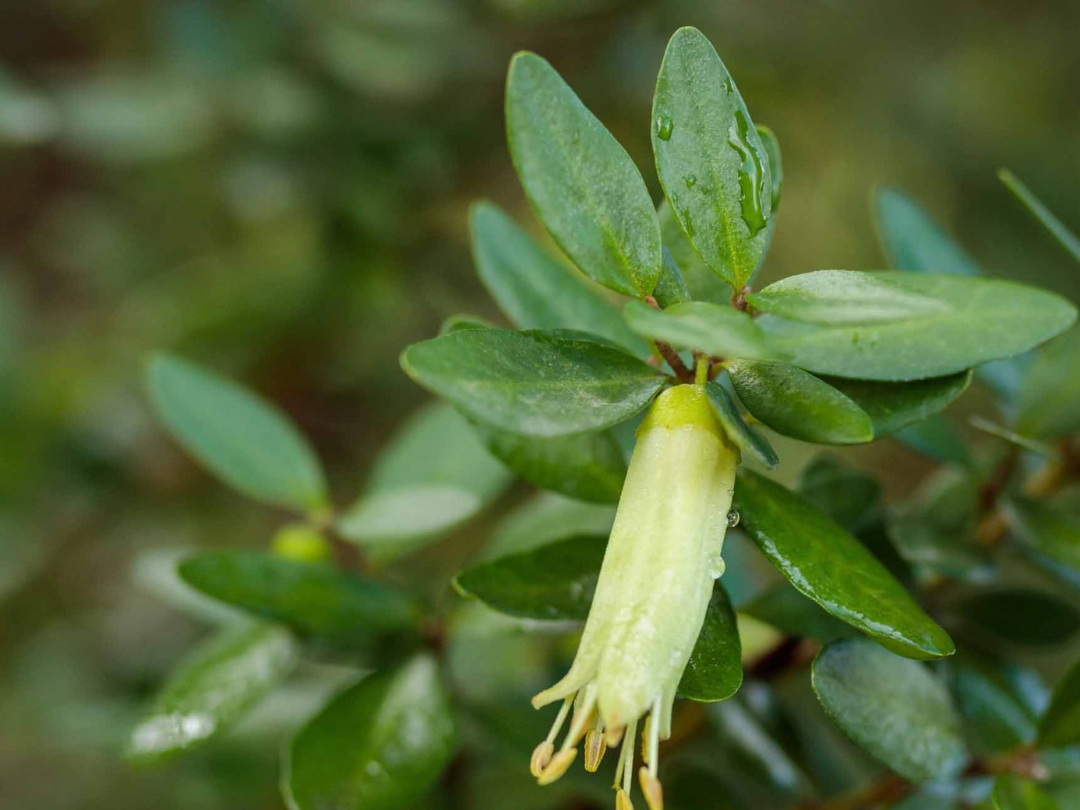
As you may remember from my previous articles, the best time to plant natives and indigenous (locally occurring natives) is in autumn or early winter. But, if that didn’t happen, you’re still able to plant in October – you’ll just need to give it some extra water and care as we move into what is predicted to be a very dry, hot summer. If you are going to plant something local, I’d suggest things that are tough, attractive, support local wildlife and are adaptable. Correas fit that criteria.
Many correas can grow in full sun, but many will also do well in part shade and sheltered spots. They’re happy in a range of garden settings and, once established, can cope with very dry conditions. They also respond well to pruning. A light trim after flowering can keep them compact and bushy, or you can give them room to develop into a more natural-shaped shrub. Sometimes known as native fuschias, their flowers are lovely.
For our local area, the Common Correa (Correa reflexa) and pale-green flowering Rock Correa (Correa glabra) are our two locally occurring correas. I have both growing under large established deciduous trees (that I inherited in my garden) where they receive very little sunlight except in mid winter when the trees are bare.
Why local plants and local genetics matter
There’s a big difference between an Australian native and a plant that is indigenous to our particular part of Melbourne. Local indigenous plants have evolved alongside our local soils, climate, insects, birds and other wildlife. They are part of the natural character of our area and contribute to the genetic diversity of our remaining bushland.
This is particularly important with correas because they can cross-pollinate. Correas occur across Australia, from Western Australia to South Eastern Queensland. Garden centres and the Big Green Sheds sell hybrid or non-local forms, and these can potentially cross with naturally occurring local correas if they are planted near remnant bushland. Over time, this can introduce genes from outside populations and affect the genetic distinctiveness of our local plants, which could lead to their decline in our local conditions.
So, if you live near a patch of remnant vegetation, choosing a locally indigenous correa is a simple way to be a good neighbour to our bushland. But of course, planting natives even if they are from another state, is still better than planting something exotic. So if you really don’t like either of the local varieties and want another type of correa, go ahead and plant it.
There are several places to find local indigenous plants around Melbourne’s north-east, including community nurseries such as Nangak Tamboree Wildlife Sanctuary in Bundoora, Victorian Indigenous Nurseries Co-operative (VINC) in Fairfield, and Edendale Farm in Eltham. If you are a Banyule resident you can claim their buy-1-get-1-free voucher for up to 10 plants. Bulleen Art and Garden sell some indigenous plants and a wide selection of non-indigenous native plants, as does the newly opened Warrandyte location of Kuranga Nursery. Some garden centres have prostrate and other forms that local community nurseries do not.
With October already here, getting your correas into the ground as soon as possible gives them a chance to establish their roots before summer really arrives. Even these tough plants will need regular watering through their first spring and summer, particularly during hot or dry spells. Once established, they should need much less help, although a good drink during extreme heat can still make a big difference. Remember that planting small ‘tube stock’ means they are mostly likely to survive. Plants that are too established in pots can struggle to survive in the ground. And tube stock is super cheap – usually a plant costs less than a cup of coffee. Correas are also very easy to grow from cuttings, so you could grow more yourself in future.
A few well-chosen local correas can give us beautiful gardens, provide food for local wildlife and help keep the unique character of our local flora alive.
Written by Jen Willis, photo courtesy of Banyule Council.