The Plenty-ful native fish of our local rivers
The Yarra and Plenty Rivers support a surprisingly rich community of native fish, many of which play an important role in the ecological health of Melbourne’s waterways. Several species are recorded in surveys, reflecting the success and ongoing need for conservation and habitat restoration efforts.
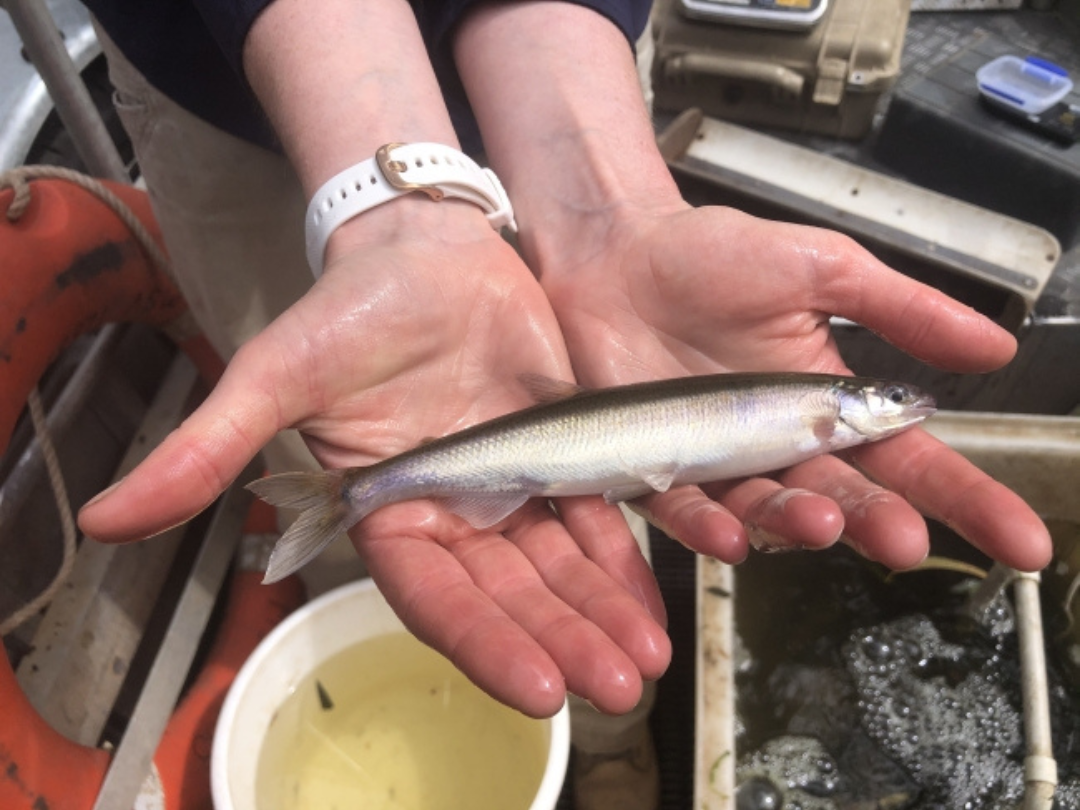
The Australian grayling (Prototroctes maraena) is one of the region’s most significant indigenous species. Once widespread, then thought extinct, it is now considered vulnerable, but it continues to appear in monitoring programs along the Yarra. This migratory fish relies on healthy river flows and intact riparian vegetation, making it a strong indicator of river health.
Another well‑known native is the river blackfish (Gadopsis marmoratus), a shy, bottom‑dwelling species that prefers cool, shaded waters. Its presence in the middle and upper Yarra highlights the value of maintaining woody debris and natural stream structure.
The short‑finned eel (Anguilla australis) is also abundant and culturally significant. These remarkable species migrate thousands of kilometres to breed in the Coral Sea before returning to Victorian rivers as juveniles. They are native to both the Yarra and Plenty systems and were an important food source for First Nations communities. Read my previous article on our eels and the incredible depths they swim at.
Small-bodied species are equally important. The Australian smelt (Retropinna semoni) and Common galaxias (Galaxias maculatus) are among the most frequently recorded fish in Yarra surveys, forming a crucial part of the food web for larger predators.
Protecting these species requires healthy flows, intact vegetation, ways for fish to swim freely up- and downstream, and careful management of introduced pest species such as Common carp and Redfin perch. Community involvement – through citizen science, revegetation, and advocacy – continues to play a vital role in making our waterways (and broader ecosystems) healthier.
If you’d like to delve more into this topic, you could start with the Arthur Rylah Institute (Victorian Department of Energy, Environment and Climate Action) Native Fish Report Card Program, there’s a Yarra River specific report card.
Words by Jen Willis.
“An Australian Grayling”, Arthur Rylah Institute at the Department of Energy, Environment and Climate Action, licensed under CC BY 4.0.