
Blog
Our blog features a variety of gardening and sustainablity articles on topics such as soil biology, composting, grafting, pruning, water-saving and irrigation clean energy, waste and biodiversity. Plus we regularly post recipes to help you make the most of the ‘seasonal glut’ and tips on how to live in a more sustainable way.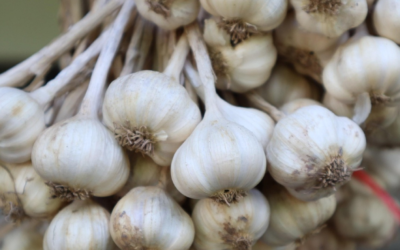
December Garlic Hint
Most varieties of garlic will either have been harvested already or will be ready to harvest in December. Only a few varieties need to stay in the ground for January or February harvesting. Check the size of the bulbs by digging down and carefully brushing the soil...
Grant provides more off-grid power!
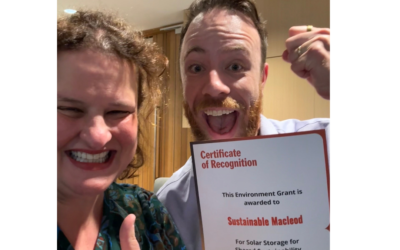
We have been awarded $7020 for the purchase of 2 batteries to increase the output of electricity from the off-grid system that powers our electrical and battery items. With the installation of the Tool Library this year and the amount of energy the chipper is drawing,...
Top Christmas gifts for nature lovers
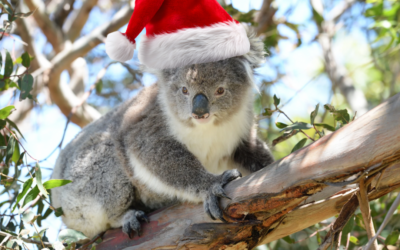
Perhaps (like me) you’re looking for meaningful Christmas gifts that support biodiversity and inspire others to protect our native species. Whether you're shopping for a budding birdwatcher, a bushwalker, or someone who loves our local flora and fauna, here are some...
Growing exceptional melons
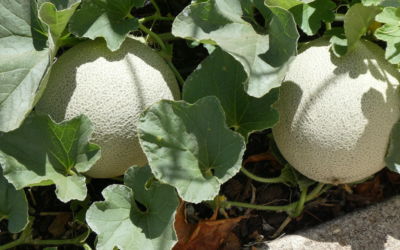
Top tips for growing Melons build a trellis for cantaloupe and other melons of a similar size prepare a rich non-nitrogenous soil for all melons keep the soil moist continually prevent powdery mildew on leaves by watering in the morning directly onto the soil and...
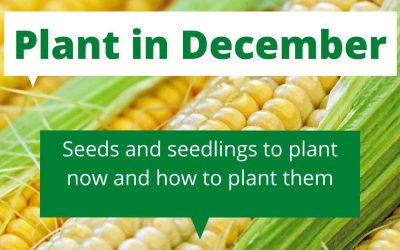
What to plant in December in Melbourne
Plant in punnets It is too late to raise most summer vegies in punnets because, by the time they are big enough to fruit, the season will be almost over. The following quick growing vegies and herbs are the exception: lettuce, rocket, and salad greens mustard greens...
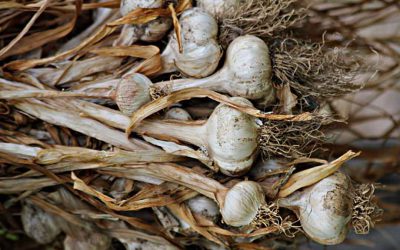
Urgent jobs in the garden for December
Cover tomatoes, chillies, capsicum and eggplant with exclusion netting and weigh down the hem with soil, mulch or heavy objects so Queensland Fruit Fly cannot enter beneath the netting. Net your fruit trees with exclusion netting, tying tightly to the trunk at the...
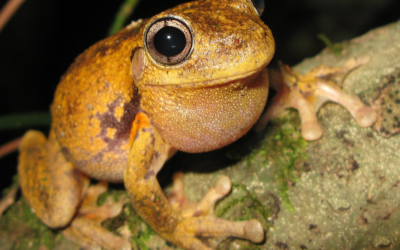
Hop to it! Join Australia’s biggest frog count
When you hear frogs calling after rain, you’re listening to one of nature’s best health checks. Frogs are sensitive to pollution, temperature changes and habitat loss, so when they are calling it’s usually an indicator that our local ecosystems are doing okay too. ...
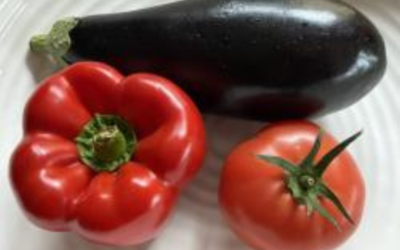
Growing exceptional eggplant and capsicum
Top hints for growing eggplants and capsicum Use Dipel (an organic bacterium available from nurseries) to prevent caterpillar poo trails in eggplant and insert fruit into net bags, tying tightly around the calyx, to prevent caterpillars burrowing into the fruit Plant...
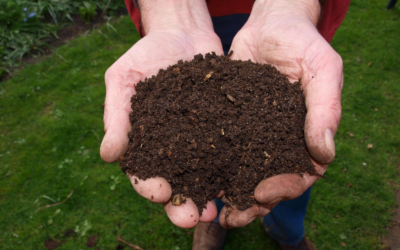
Compost activators, accelerators, starters, boosters, inoculators – do you need them?
First let's define what terms like activators and accelerators mean. This is not easy because most people, including commercial manufacturers of such products, use these terms interchangeably and do not define what they mean. Manufacturers do not detail the actual...

The BANSIC Christmas Hamper Appeal
As the holiday season approaches, The Banyule Support and Information Centre is seeking your support to fill our Christmas hampers, which are distributed to individuals and families in need. December is our busiest month, and our dedicated volunteers are hard at work...
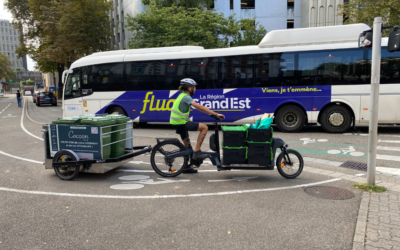
Thumbs up to e-bikes
As mentioned in my previous article: Driving emissions targets, a very significant reduction in transport emissions is critical if Australia is to reach the government target of a 62%-70% reduction in emissions by 2035. Bicycles, particularly electric bikes, have the...
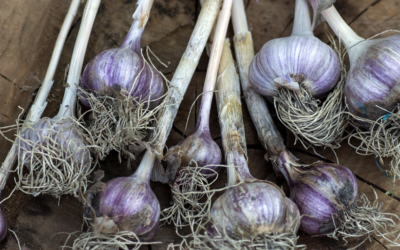
November Garlic Hint
November is the time to assess if your garlic is ready to harvest. This can be done in 2 ways. Either dig down around a bulb or two and decide whether they are large enough or harvest when 4 -6 of the lower leaves have withered. This is easier said than done as the...

Urgent jobs in the garden for November
Put out fruit fly lures and protein traps. Queensland fruit fly is already here in Macleod this season. Net your fruit trees with fine net, tying tightly at the base to prevent Queensland fruit fly entry and to protect from birds. Put out lures for codling moth in...
What to plant in November in Melbourne
Seeds planted in October in punnets that have reached the 4-leaf stage can be pricked out and planted in potting mix in trays or pots. These can be planted in the garden late November. Plant in punnets Capsicum and chilli, cucumber, eggplant, endive, lettuce and all...
Join Sustainable Macleod
Become a member and get access to the community garden, the tool library and our seed library. We welcome all members of the community and have regular events and workshops to enjoy.